Design That Remembers
Why Context Is the Most Important Material We Work With
There's a question we ask at the very beginning of every project — before the first sketch, before the first mood board, before we even open a floor plan.
What story does this space need to tell?
It sounds simple. But the answer, almost always, is anything but.

The Problem With "Beautiful"
The Problem With "Beautiful"
The design world is saturated with beautiful things. Scroll through any platform and you'll find impeccably rendered interiors, awe-inspiring facades, and brand identities so polished they could belong to anyone and therefore, they belong to no one.
That's the trap.
Beauty without context is decoration. And decoration, however stunning, fades. What endures is meaning.
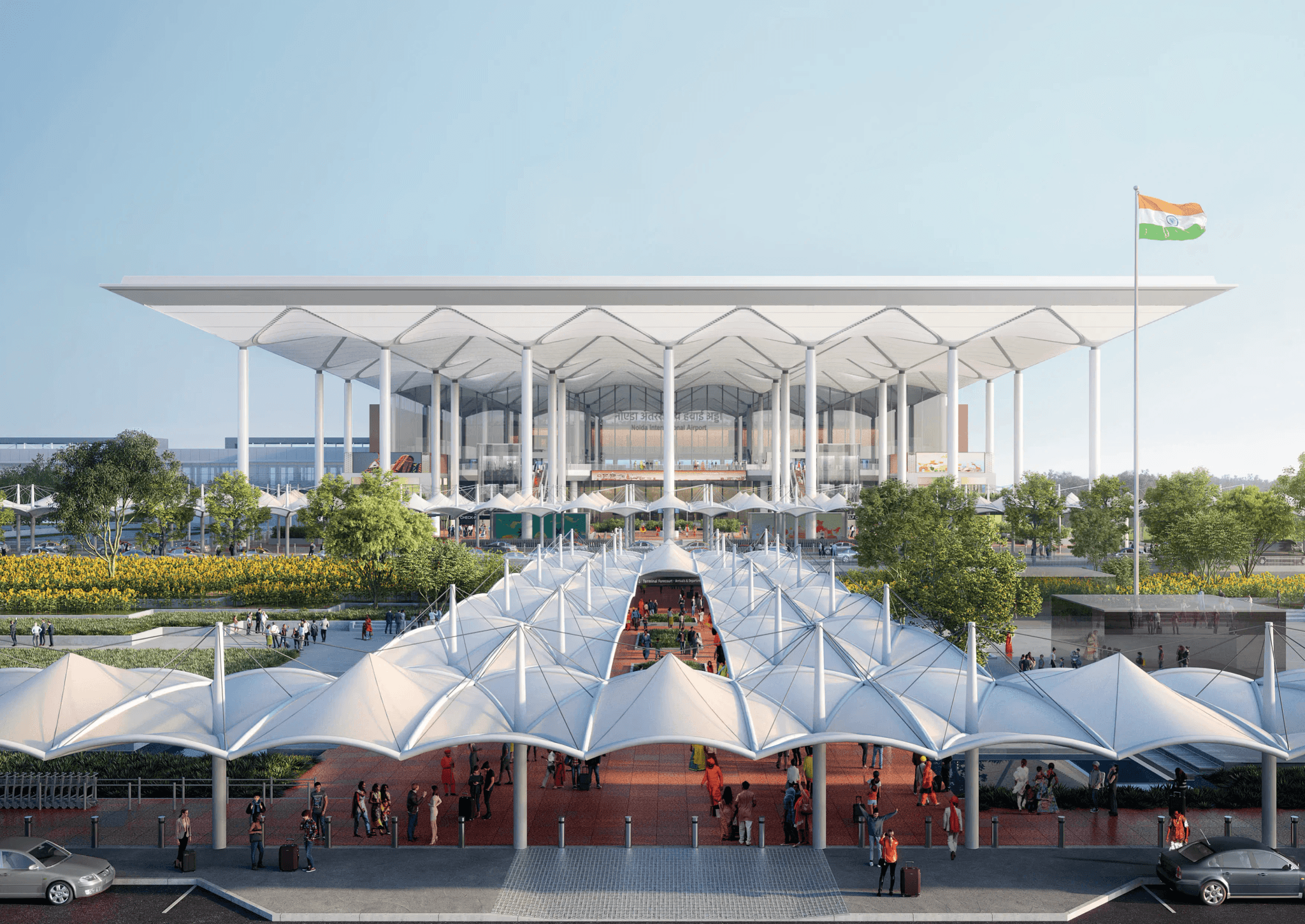
At GWD Collective, we call our approach Contextual Design and it's the thread that runs through everything we do, whether we're designing an airport terminal in Noida, reimagining the residence of a foreign ambassador in New Delhi, or building a brand identity for a company entering a new market.
What "Contextual" Actually Means
Context isn't just geography. It's culture, memory, aspiration, and the invisible forces that shape how people experience a space or a brand before they even consciously register it.
When we worked on the Noida (Jewar) International Airport, context meant designing for movement — millions of journeys, each one beginning or ending with an emotion. A return home. A first flight. A farewell. The execution and documentation had to account for not just circulation and code compliance, but the emotional cadence of arrival and departure.
When we took on diplomatic residences the Denmark Ambassador's Residence and the Romania Ambassador's Residence context meant something entirely different. These are not just homes; they are instruments of soft power, living representations of a nation's identity on foreign soil. Every material choice, every spatial proportion, had to honour both the resident's culture and the Indian setting it inhabited.
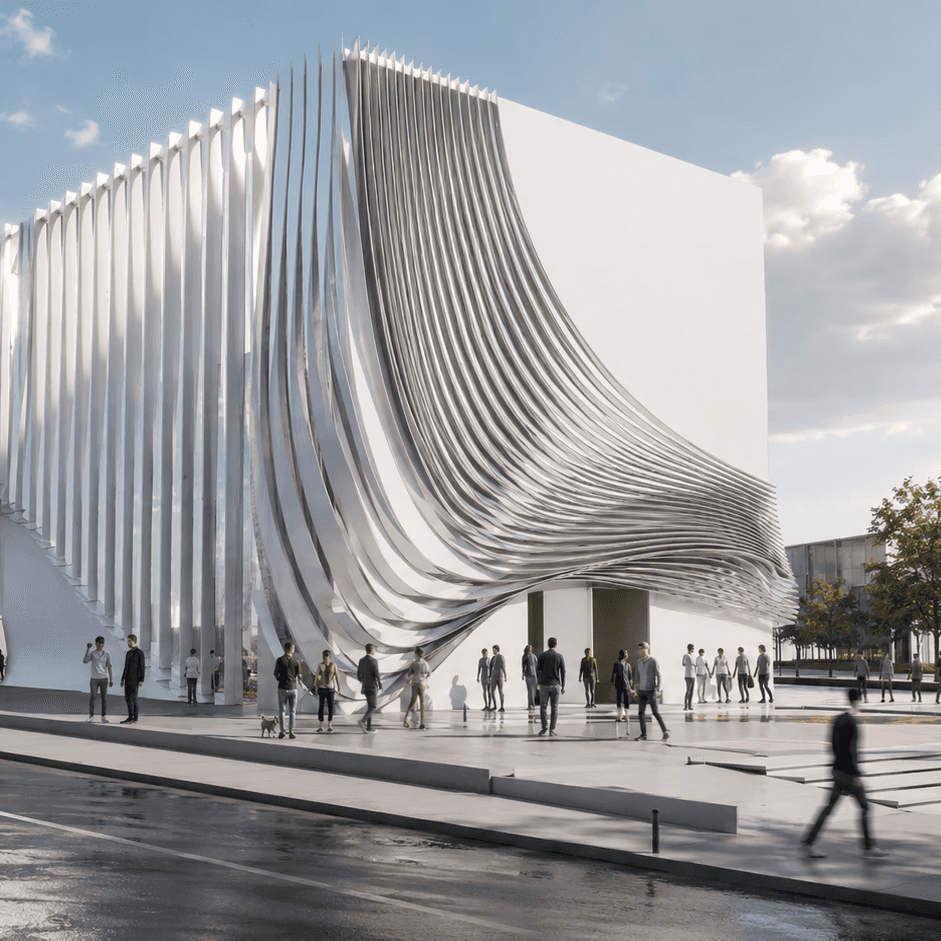
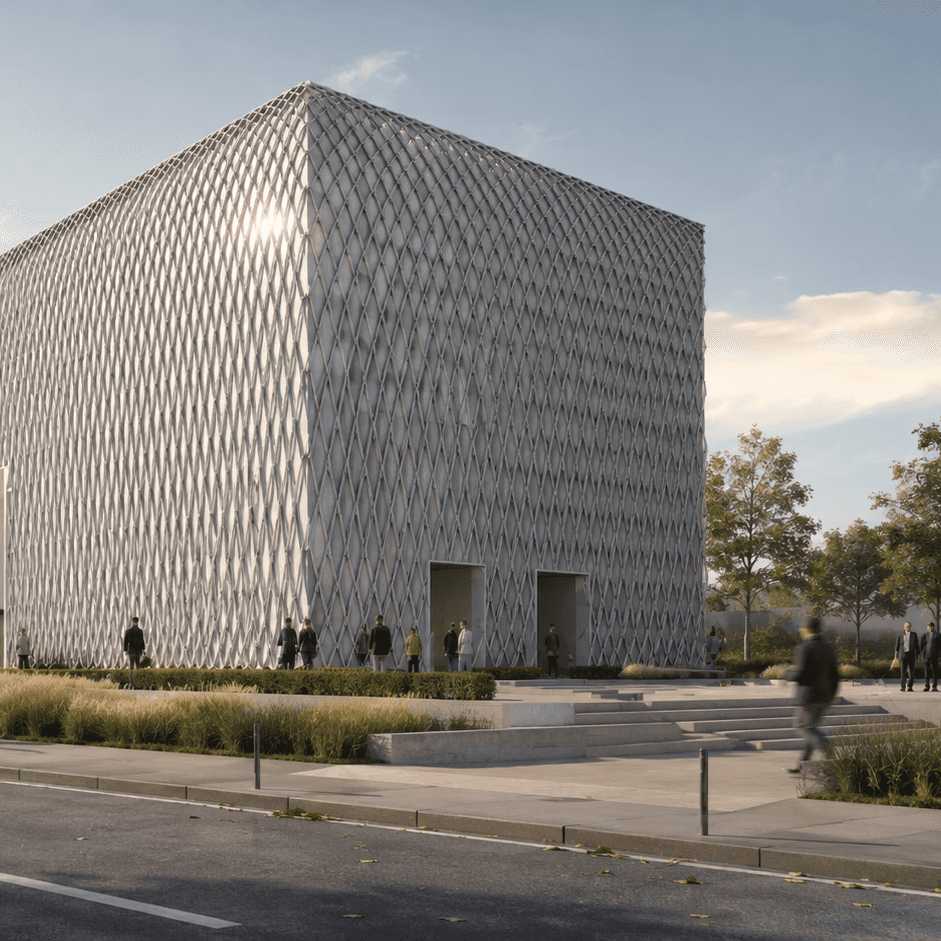
And when we designed the facade of the International Toy Museum, context meant rediscovering something we often leave behind play, wonder, and the unapologetic joy of childhood.
Same discipline. Radically different stories.
Space and Brand: Two Languages, One Conversation
One thing that sets GWD Collective apart is that we don't treat architecture and branding as separate practices. They are, at their core, the same act: giving form to an idea, making an invisible value visible.
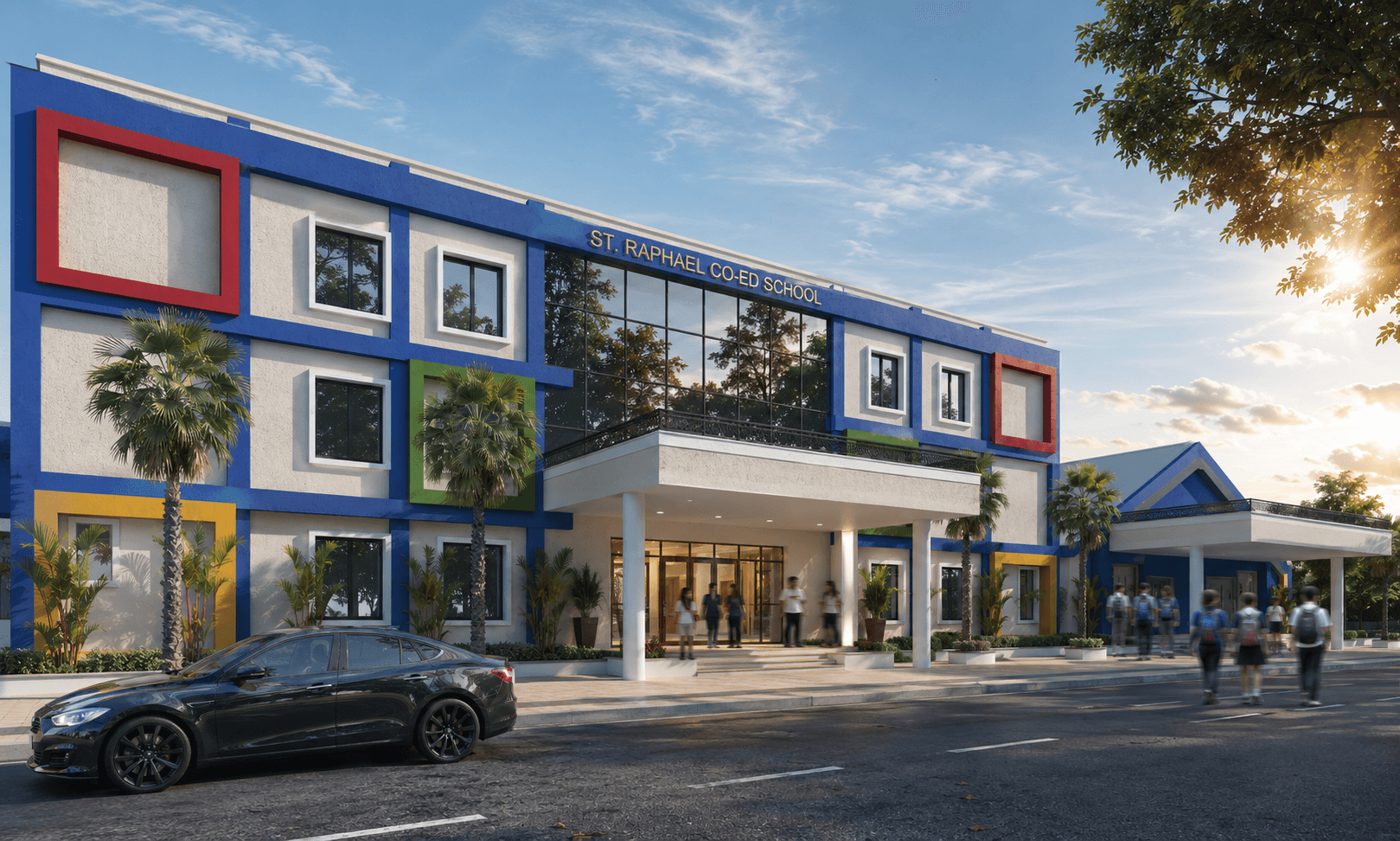
A school building communicates values before a single lesson is taught. A brand identity communicates personality before a word is read. When we designed for institutions like St. Raphael Co-Ed School and St. Joseph's Convent Sr. Sec. School, we applied the same strategic lens we bring to brand work: what does this institution stand for, and how can every design decision reinforce that?
The result is architecture that functions not just as infrastructure, but as identity.
The Discipline of Non-Creation
We often say at GWD: good design is just as much about non-creation as it is about creation.
The instinct in design is always to add: more detail, more texture, more complexity. Restraint is harder. Knowing what to leave out, what to simplify, what to let breathe and that's where mastery lives. It's a principle we carry into every service we offer, from spatial design to digital product development to social media strategy.
Less noise. More signal. Always in service of the story.